Table of Contents
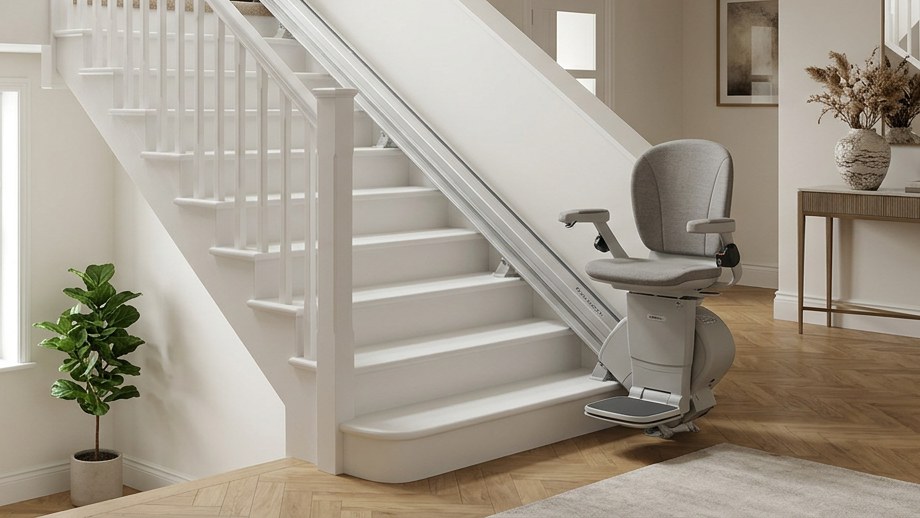
Stairs are one of the most common locations for injuries in the home, especially for older adults. According to the Centers for Disease Control and Prevention, millions of older people fall each year, many of which result in serious injury. As mobility changes, many homeowners begin exploring mobility solutions that can reduce risk and support safer movement throughout the home. One of these is the stairlift, a motorized chair system that travels along a rail mounted to the staircase, designed to carry a person up and down the stairs. Whether mobility challenges are temporary or long-term, choosing a stairlift with the right safety features is critical to reducing fall risk and increasing confidence when moving between floors.
Essential Safety Features of Modern Stairlifts
As balance, strength, or coordination decline, stairs can quickly become one of the most dangerous areas of the home. Even a single misstep can lead to injury, hospitalization, or long recovery periods. Stairlifts designed with built-in safety features help eliminate the need to climb stairs while reducing strain, fatigue, and risk. However, not all equipment offers the same level of protection. Knowing which safety components to look for ensures that the stairlift supports reliable daily use and long-term confidence.
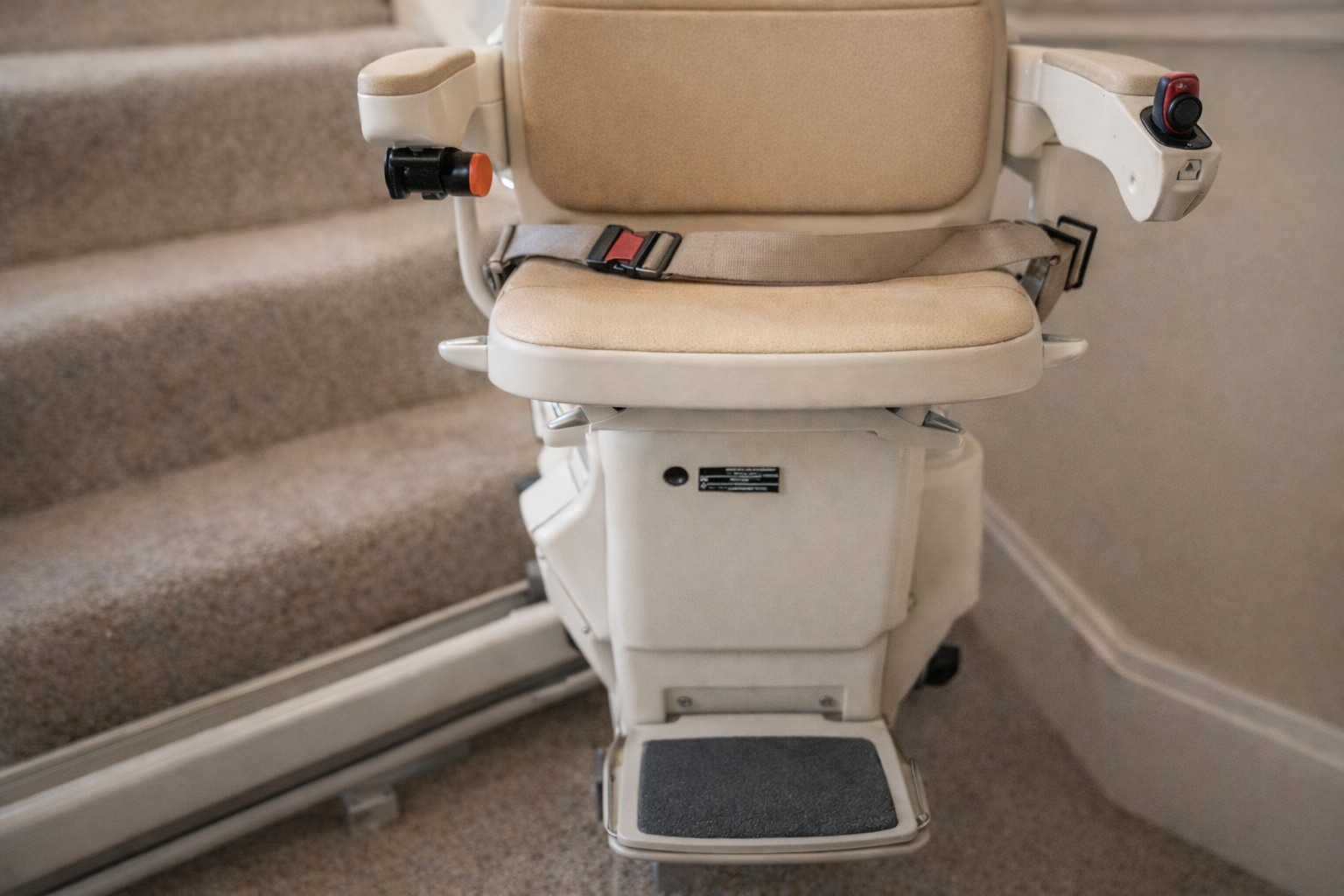
- Secure Seat Belt — A reliable seat belt is one of the most basic and important stairlift components. It keeps the user securely seated during travel and prevents slipping or shifting, especially for individuals with limited balance or core strength. Seat belts should be easy to fasten and release, helping ensure proper positioning and added stability during operation.
- Obstruction Sensors — These automatically stop the stairlift if an object is detected on the stairs or along the rail. This feature helps prevent collisions with pets, dropped items, or other obstacles that may be difficult to see from a seated position. This is especially important in homes with children, pets, or shared stairways.
- Swivel Seat — A swivel seat allows the chair to rotate away from the staircase at the top or bottom landing, making it safer to get on and off the stairlift. Locking swivel seats prevent movement until the chair is fully turned into a secure position. This feature significantly reduces the risk of falls during entry and exit, which is when many stair-related injuries occur.
- Smooth Start and Stop Functionality — Sudden starts or stops can cause discomfort or instability, particularly for individuals with joint pain or balance concerns. A stairlift with smooth start and stop technology moves gradually, creating a more controlled and comfortable ride.
- Stable Footrest with Safety Sensors — A sturdy footrest provides proper leg support during use and prevents feet from contacting the stairs. Many stairlifts also include footrest sensors that stop the lift if an obstruction is detected. Foldable footrests help keep stairways clear when the stairlift is not in use.
- Battery Backup Power — Power outages should never leave a user stranded on the stairs. Stairlifts with battery backup continue to operate even during electrical disruptions, ensuring safe access between floors at all times.
- Easy-to-Use Controls — Clear, intuitive controls help users operate the stairlift confidently. Controls should be positioned within easy reach and require minimal strength or dexterity. Many stairlifts also include remote controls, allowing the chair to be sent up or down the stairs when not in use.
Strengthen Home Safety and Daily Mobility with the Right Stairlift
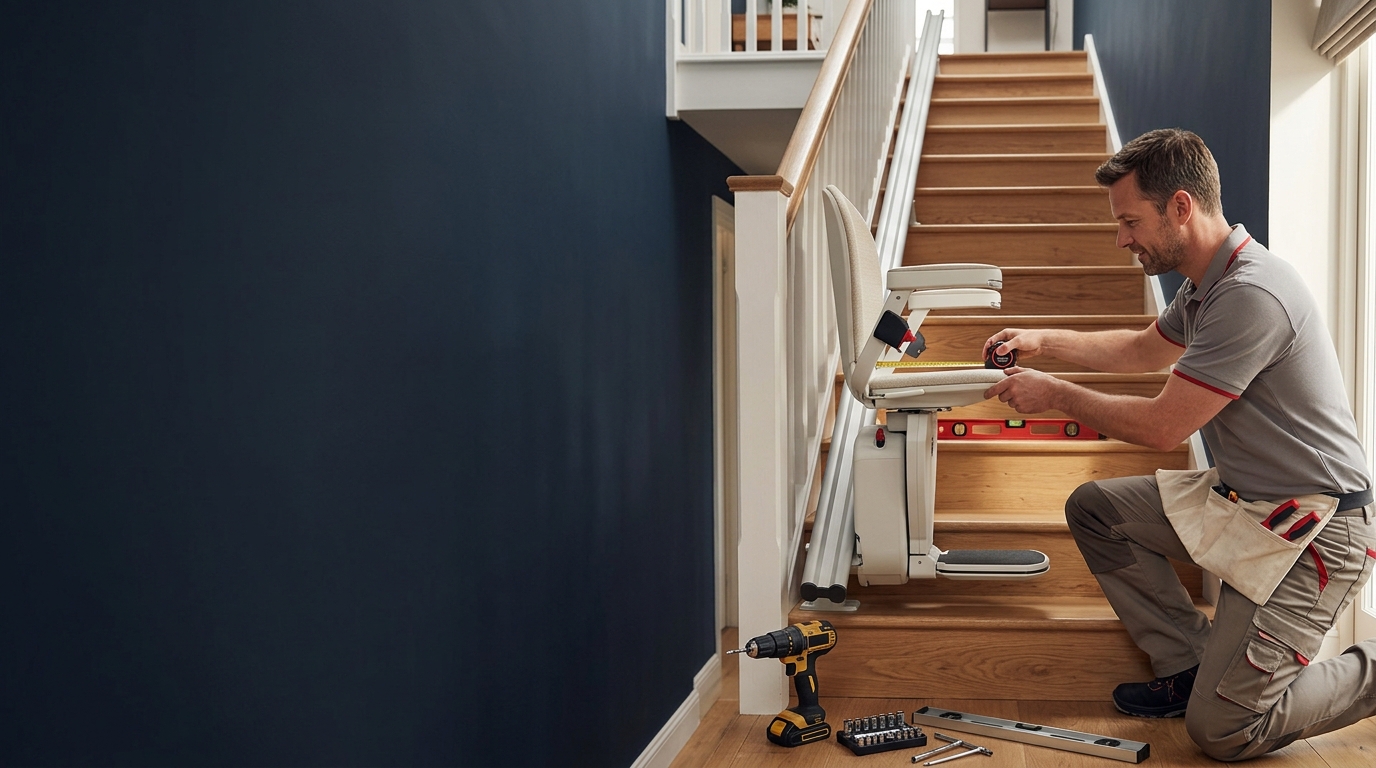
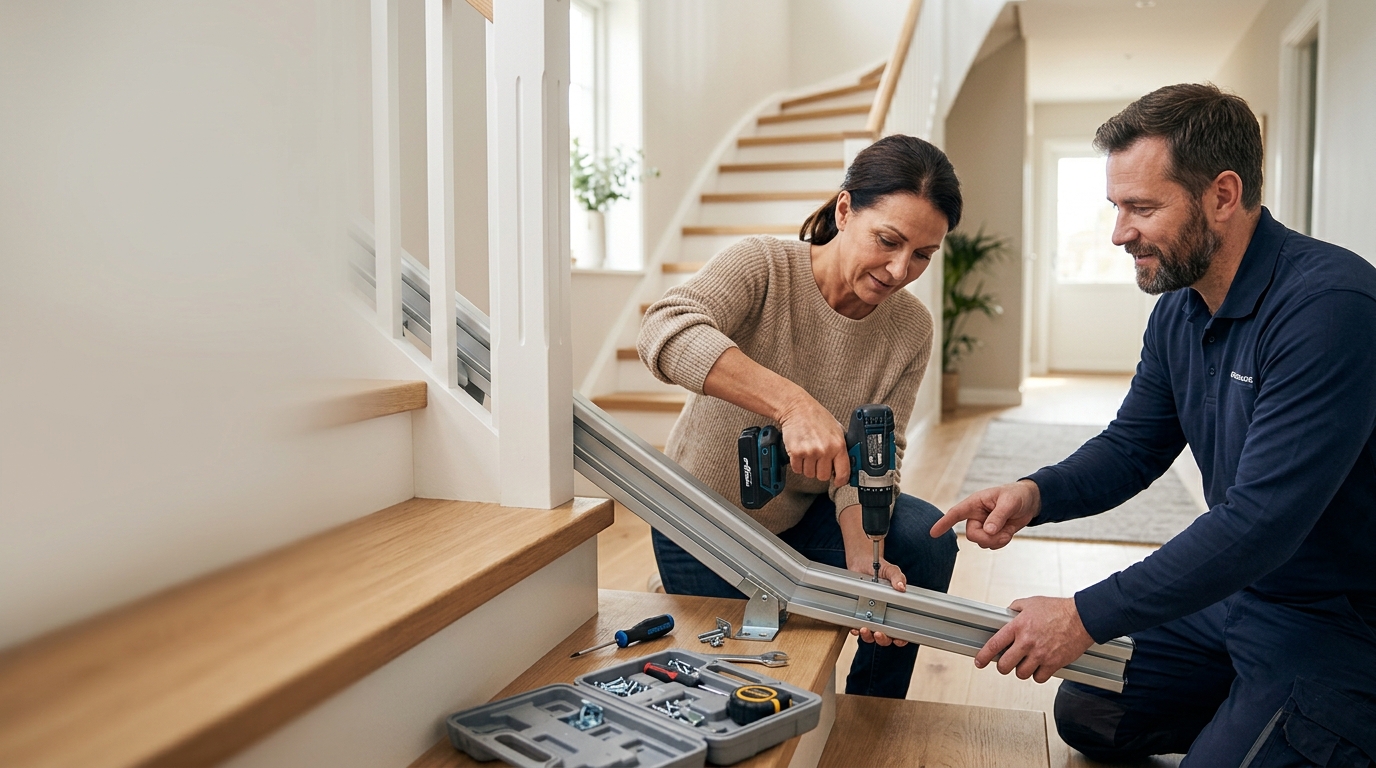
Choosing a stairlift is not just about selecting equipment. It is about ensuring that the solution supports safe daily use over time. Mobility professionals can assess stair width, landing space, and user needs to recommend appropriate safety features. This reduces the risk of choosing a product that does not fully address safety concerns or future changes in mobility. Beyond built-in features, proper installation and maintenance also play a major role in stairlift safety. Professional installation ensures that rails are securely mounted and that the stairlift is properly aligned for smooth operation. Ongoing maintenance also helps identify wear or issues before they become safety concerns.
The right stairlift safety components can make a meaningful difference in everyday comfort, confidence, and independence at home. By prioritizing features such as secure seating, obstruction detection, smooth movement, and reliable power, homeowners can significantly reduce fall risk and improve long-term usability.
Next Step
If you are considering a mobility solution or are unsure which safety features are right for your situation, our team is here to help. Schedule a free evaluation now to learn how professionally installed stairlifts with essential components can help you move safely and confidently throughout your home.
Schedule A Free Evaluation