Table of Contents
- 1. Reduces the Risk of Falls Between Floors
- 2. Supports Independence Without Relying on Others
- 3. Makes Routine Tasks Less Physically Demanding
- 4. Strengthens Long-Term Aging in Place Plans
- 5. Increases the Long-Term Value of the Home
- 6. Fits Naturally into Your Home Without Major Renovations
- Get a Practical Upgrade with Everyday Impact
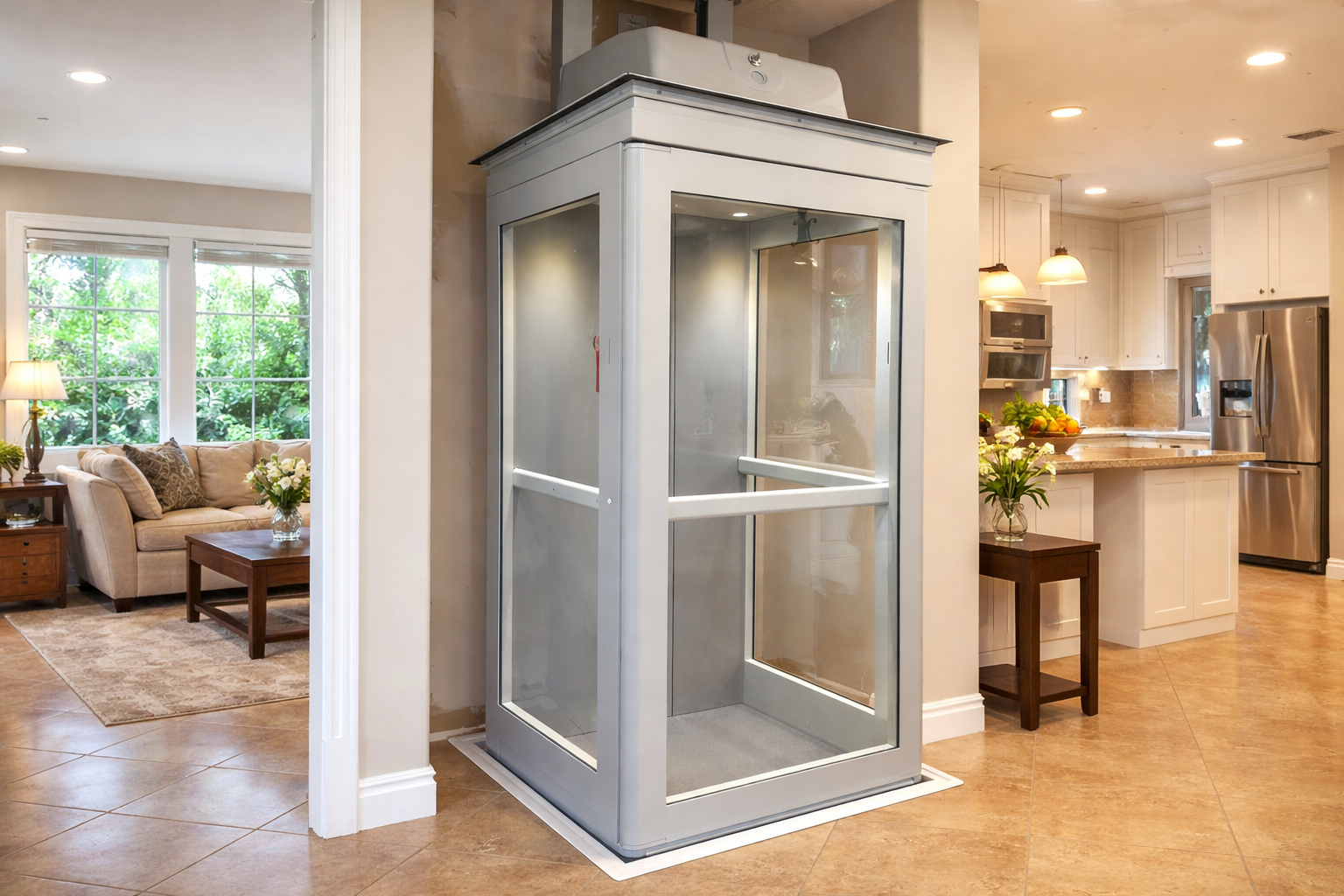
A residential elevator is a compact lift system installed inside a home to help people move safely and comfortably between floors. For homeowners, families, and individuals with mobility challenges, residential elevators are becoming one of the most effective ways to improve daily living, reduce fall risk, and maintain independence at home. Whether you are planning for aging in place or simply looking to make your home more functional, installing a home elevator can offer several benefits, including long-term convenience, safety, and added property value. In this article, we will walk through six practical ways residential elevators improve everyday home life and why more homeowners are choosing them as part of their accessibility solutions.
1. Reduces the Risk of Falls Between Floors
Stairs are among the most common locations for fall-related injuries in the home. According to the Centers for Disease Control and Prevention, more than 14 million adults in the United States aged 65 and older reported falling each year, with many resulting in serious or life-altering injuries. A residential elevator removes the need to navigate stairs entirely. For individuals whose balance, strength, or coordination has changed over time, this is one of the most effective safety upgrades a multi-level home can have. It does not ask anything physically of the user. It simply gets them where they need to go, safely and reliably, every single time.
2. Supports Independence Without Relying on Others
Remaining independent at home is a priority for most older adults. A home elevator makes that goal far more achievable. Instead of being confined to one floor or needing assistance with every trip upstairs, residents can move freely through their homes on their own schedule. That kind of self-sufficiency matters deeply, both practically and emotionally, for long-term quality of life and personal dignity.
3. Makes Routine Tasks Less Physically Demanding
Think about how many times items travel between floors in an average day. Groceries, laundry, cleaning supplies, medications, and personal belongings all require repeated trips up and down stairs. For individuals managing joint pain, fatigue, or reduced strength, those trips are not trivial. With a residential elevator, these tasks become much simpler. Moving between floors becomes as simple as pressing a button, which saves energy and reduces daily strain for both the user and any caregivers or family members who might otherwise carry the load.
4. Strengthens Long-Term Aging in Place Plans
Aging in place, or staying in your own home rather than relocating to a care facility, is a goal many families are actively planning for. In fact, AARP's 2024 Home and Community Preferences Survey highlights that 75% of adults aged 50 and older prefer to remain in their homes as they age. The National Institute on Aging identifies home modification as one of the most practical strategies for making this possible over the long term. An elevator ensures a multi-level home remains fully accessible, no matter how mobility needs evolve over the coming years. Planning now, rather than reacting to a health event, gives families more time, more choices, and more peace of mind. It is a proactive investment in comfort, independence, and long-term living.
5. Increases the Long-Term Value of the Home
A professionally installed residential elevator is not only a functional upgrade. It is also a long-term investment in the property itself. Homes designed with accessibility in mind are increasingly appealing to a wider range of buyers, particularly as the population continues to age. Features like home elevators, step-free entryways, and wider doorways signal thoughtful, future-ready design that stands out in the market. While exact value increases vary by market, accessibility improvements often contribute positively to resale potential. A well-designed elevator system can also enhance the overall look and feel of a home when integrated properly.
6. Fits Naturally into Your Home Without Major Renovations
When mobility becomes a concern, some homeowners consider major renovations such as relocating bedrooms or building additions. They also assume that installing an elevator requires tearing into walls or adding a significant amount of square footage. In most cases, that assumption is wrong. One of the benefits of modern residential elevators is that they are designed to fit into existing spaces with minimal structural changes compared to large-scale remodels. They are available in multiple sizes and cabin configurations with customizable interior finishes, so the result complements rather than disrupts the look and feel of your home.
Get a Practical Upgrade with Everyday Impact
A residential elevator addresses one of the most consistent challenges of multi-level living in a way that is safe, discreet, and genuinely useful every single day. Whether the priority is fall prevention, personal independence, caregiver support, or long-term planning, this upgrade delivers lasting value.
Next Step
If you are considering a home elevator for yourself or a loved one, our team is ready to help. Schedule a free in-home evaluation today to see how a residential elevator can be fitted to your home, your layout, and your life.
Schedule A Free Evaluation