.svg)
Here’s What You Need to Know About the Cost and Installation of Home Elevators
If you are thinking about installing a residential elevator, you want to understand what it will cost and what the process involves before you commit. A home elevator can transform how you live by making multi‑level travel easier, safer, and more convenient, but it is also a significant investment with many variables that affect the final price and timeline.
This article breaks down typical cost ranges, key factors that influence pricing, and what you should expect during installation so you can plan with confidence and avoid surprises later.
How much does a home elevator cost?
Most homeowners should expect total project costs to vary widely based on elevator type, number of stops, structural work, electrical upgrades, permits, and finish selections. The pricing ranges anywhere from around $30,000 for simpler shaftless options to $60,000 on average, while high‑end or luxury options can exceed $100,000 depending on features, finishes, and technology. Installation labor alone often adds several thousand dollars, and retrofit work can push the total higher.
Keep in mind that national averages may vary considerably by region, brand chosen, and whether the elevator is added to an existing home or built into new construction.
What affects the cost of residential elevators?
The pricing is not one-size-fits-all. A quote usually reflects a combination of equipment cost and installation complexity.
1. Elevator type
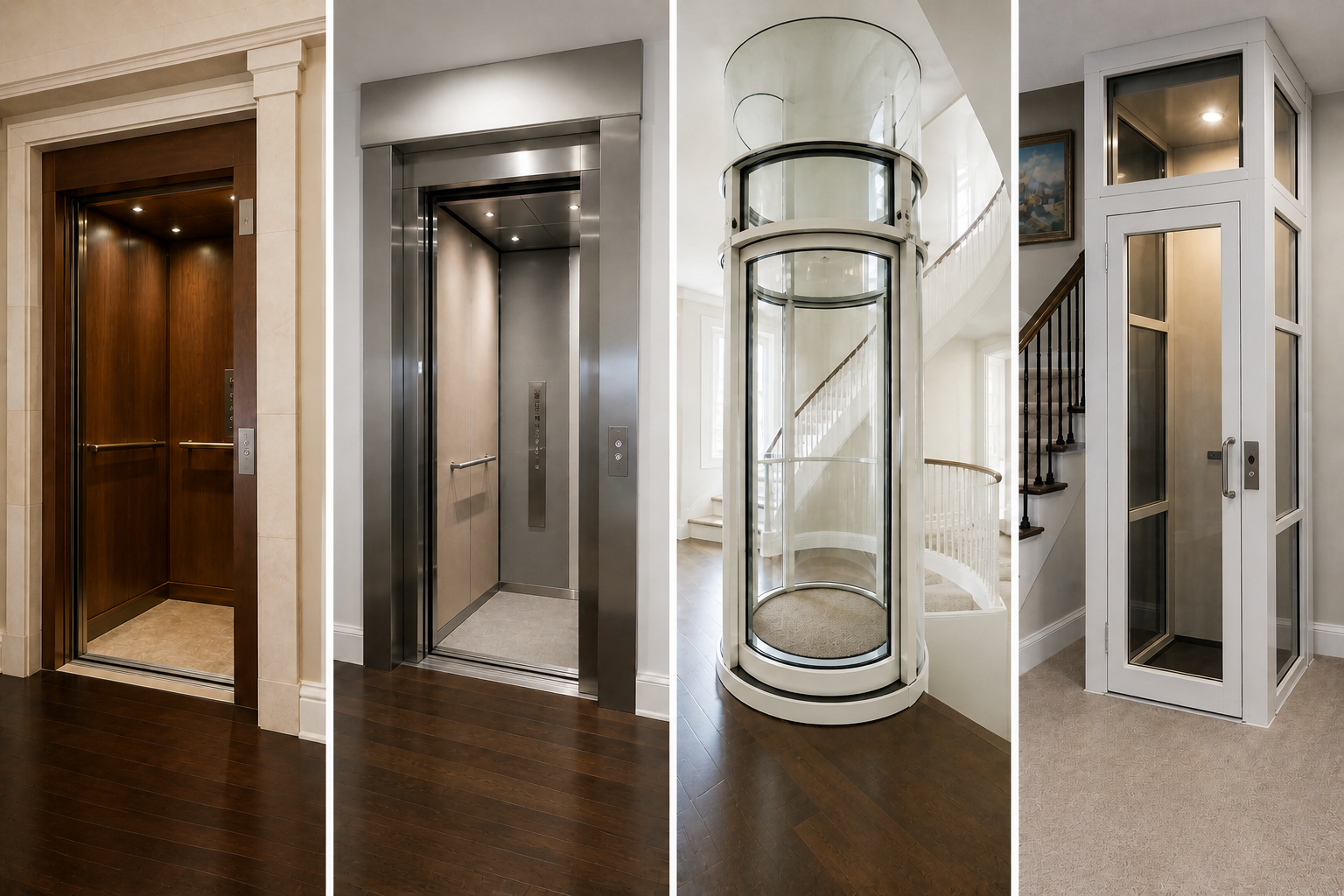
The style of elevator you choose is one of the biggest cost drivers. Pneumatic or vacuum elevators are compact and often require less construction, making them a popular retrofit choice, while hydraulic or cable-driven systems tend to be more expensive due to heavier components and structural needs.
2. Structural and site preparation
Installing an elevator in an existing home can require cutting a shaft through multiple floors, framing new walls, adjusting electrical panels, and other structural modifications. These construction and installation costs of home elevators vary widely and can sometimes exceed the cost of the lift itself.
3. Number of floors
Residential elevators that serve more floors cost more because they require longer guide rails, larger drive systems, more materials, and sometimes additional finishing work. Additional floors may cost an extra $10,000 to $15,000 each.
4. Electrical and permits
Most home elevators need a dedicated electrical circuit and may require a permit, inspection, or even upgrades to your property’s electrical service. Permit fees vary by city or county, and annual inspections may be required to stay up to code.
5. Cab finishes and features
Custom interior finishes, lighting, upgraded controls, automatic doors, and digital displays all add to the cost. These options make the elevator more comfortable or stylish, but also raise the overall investment.
What to Expect During Your Home Elevator Installation
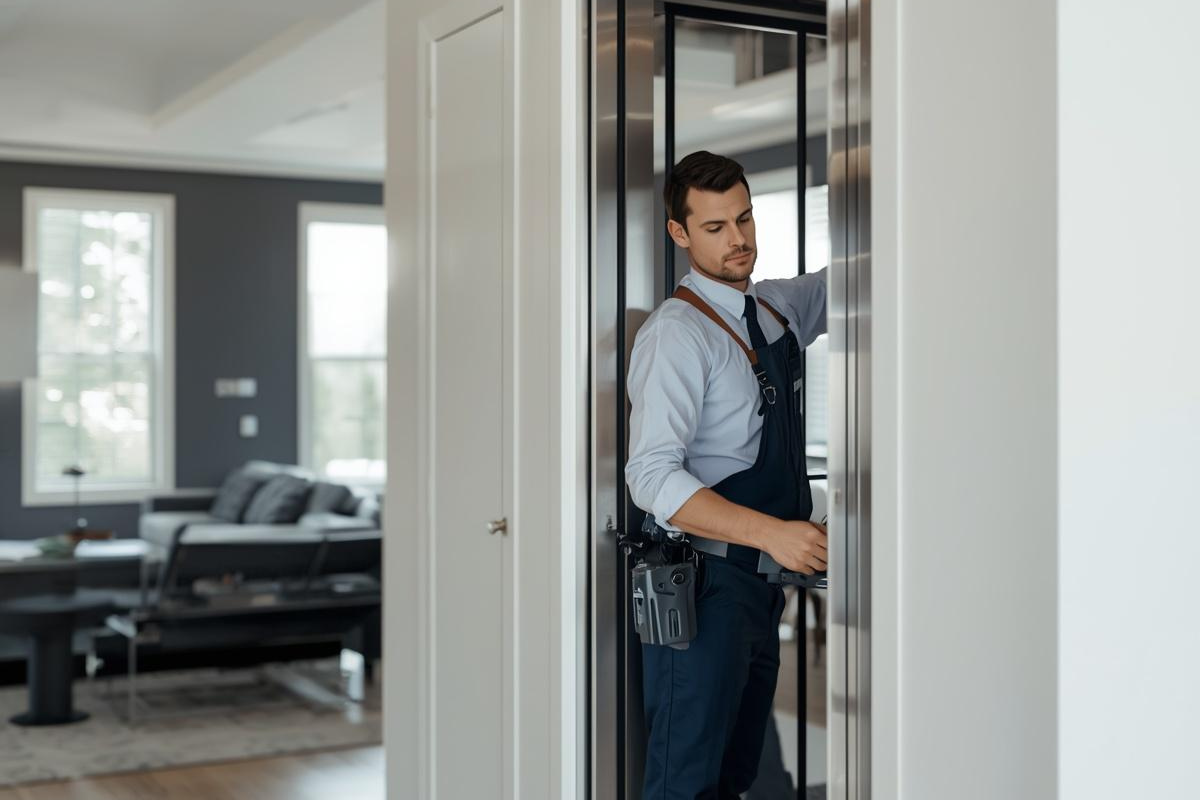
Installing a home elevator is not a quick DIY project. It involves careful planning, coordination with contractors, and adherence to safety codes.
Initial planning and measurements
Before installation begins, the contractor will assess your space and determine what type of elevator fits best based on ceiling heights, floor structure, and wiring access. This step often includes measuring the footprint for the elevator shaft or platform.
Structural modifications
Depending on your home and the type of elevator chosen, the installer may cut openings through existing floors, build a shaft, or create platforms. Structural carpentry, electrical wiring, and finish work may all be part of this stage.
Elevator installation and testing
The elevator unit itself is assembled and installed once the structural work is ready. This process can take a few days for simpler pneumatic models and up to two or more weeks for larger hydraulic or cable-driven elevators. After installation, the unit must be tested to ensure smooth operation and compliance with safety standards.
Inspections and permits
Most regions require that a qualified inspector approves the installation before the home elevator is used. This guarantees that your system meets local building codes and operates safely. Permits must be obtained before work begins, and inspections are scheduled after installation.
How to Prepare for Your Home Elevator Installation
Here are a few practical tips to make the process smoother:
- Get multiple quotes from reputable installers so you can compare costs for similar residential elevator types and installation plans.
- Plan early if possible during new construction or major renovation, as preparing for an elevator is usually less costly than retrofitting later.
- Ask for detailed line items in quotes so you know what is included and what is extra, such as permits, electrical work, or finishes.
- Think long term by considering maintenance contracts to avoid surprises after installation.
Choose the Right Elevator for Your Home with Western Stairlifts
Installing a home elevator is a major home improvement, but careful planning can make the process smooth and stress-free. Working with an experienced mobility company can simplify every step, from choosing the right home elevator to managing costs and meeting safety standards.
At Western Stairlifts, we are a trusted provider of residential elevators and other mobility solutions, offering professional, reliable service and personalized support throughout your project. Our turnaround time for most home elevator installations is just 4 to 6 weeks, giving homeowners a fast, high-quality experience without unnecessary delays.
Schedule your free in-home assessment today and find the right solution for your home, needs, and budget.