
Table of Contents
When mobility changes, creating accessible home plans especially for aging parents can feel overwhelming. Many homeowners and families are unsure how much to invest, how permanent a solution should be, or whether their needs will change again in the future. The truth is that accessibility planning looks different depending on whether the need is temporary or long-term. Understanding the distinction between short-term and long-term accessibility needs helps you make informed decisions that protect safety, independence, and comfort without unnecessary expense or disruption. With proper planning, you can choose the right accessibility solutions for your home that adapt to your current needs while remaining flexible for the coming years.
Key Factors to Consider When Planning Accessibility Solutions for Your Home
Taking the time to evaluate the right factors can help you choose options that are safer, more effective, and better suited to both current and future needs.
- 1Duration of the Mobility Need — Start by determining whether the mobility challenge is expected to be temporary, long-term, or progressive. Understanding the expected duration helps prevent unnecessary expenses while ensuring safety is not compromised.
- 2Home Layout and Daily Use — Every home presents unique accessibility challenges. Consider where bedrooms, bathrooms, and frequently used spaces are located. Multi-level homes often require stair access solutions sooner than single-level layouts. Entryways, hallways, and stair widths can affect which products are most suitable. A professional assessment can identify areas of concern that may not be immediately obvious.
- 3Safety and Fall Prevention — Safety should always be a top priority when planning accessibility. The National Institute on Aging emphasizes that improving home safety significantly lowers the risk of injury for individuals with limited mobility. Stairs are one of the most common locations for falls in the home. Poor lighting, steep steps, and uneven surfaces increase risk. Accessibility solutions should reduce strain and eliminate the need for risky movements.
- 4Independence and Comfort — Home accessibility solutions should support independence while making everyday movement feel safe and effortless. The most effective options should be easy to use without assistance and include comfort features such as smooth operation, stable seating, and intuitive controls. When mobility products prioritize comfort, privacy, and confidence, they are more likely to be used consistently and safely over time.
- 5Cost, Value, and Budget Considerations — Cost is an important factor when choosing accessibility solutions, but it should be considered alongside safety, comfort, and long-term value. While some short-term options may have a lower upfront cost, long-term solutions can help reduce future expenses by limiting the need for repeated upgrades or replacements.
- 6Future Needs and Adaptability — Planning ahead can save time and money later. Choose solutions that can accommodate potential changes in mobility. Consider higher weight capacities or expandable options. Think about whether the solution will still meet needs five or ten years from now.
- 7Professional Guidance and Evaluation — Deciding on accessibility home plans requires the help of a mobility professional to make the process clearer and more manageable. An experienced expert can evaluate your home, discuss realistic options, and help determine whether a short-term or long-term solution is the best fit for your needs.
Choosing the Right Solution for Your Short-Term and Long-Term Accessibility Needs
According to the Centers for Disease Control and Prevention (CDC), more than 1 in 4 U.S. adults live with a disability, and mobility limitations increase significantly with age. This highlights the importance of accessible home plans for aging parents among seniors and caregivers.
Accessibility Solutions for Short-Term Needs
Short-term accessibility needs are typically temporary or transitional, such as recovery after surgery, injury from an accident, or temporary balance issues. Because of this, homeowners often prioritize solutions that are flexible, affordable, and easy to remove when they are no longer required.
- Portable and modular ramps are a popular option for temporary needs. They can be installed quickly, adjusted to fit various entryways, and removed once mobility improves. These ramps are especially helpful for wheelchairs, walkers, and scooters.
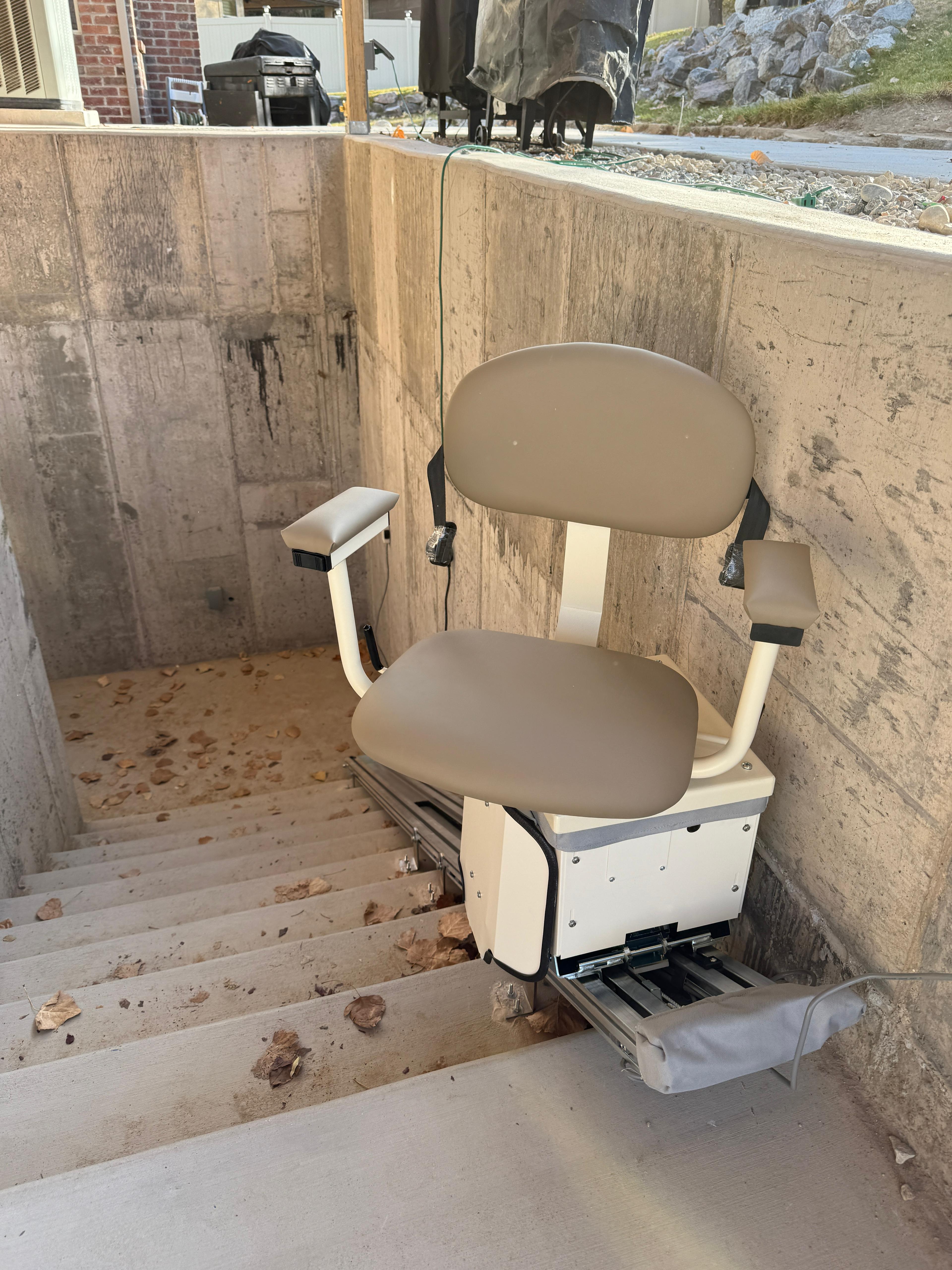
- Reconditioned stairlifts are another practical option for short-term use. These units are professionally inspected and restored, offering reliable performance at a lower cost than new models.
- Simple home adjustments can significantly improve safety. Adding grab bars, improving stair lighting, securing loose rugs, and installing non-slip stair treads can reduce fall risk during recovery.
Accessibility Solutions for Long-Term Needs
These needs usually involve ongoing or progressive mobility challenges, including aging in place, joint pain, neurological conditions, or permanent disabilities. They typically require more durable and permanent home accessibility solutions that support independence over time.
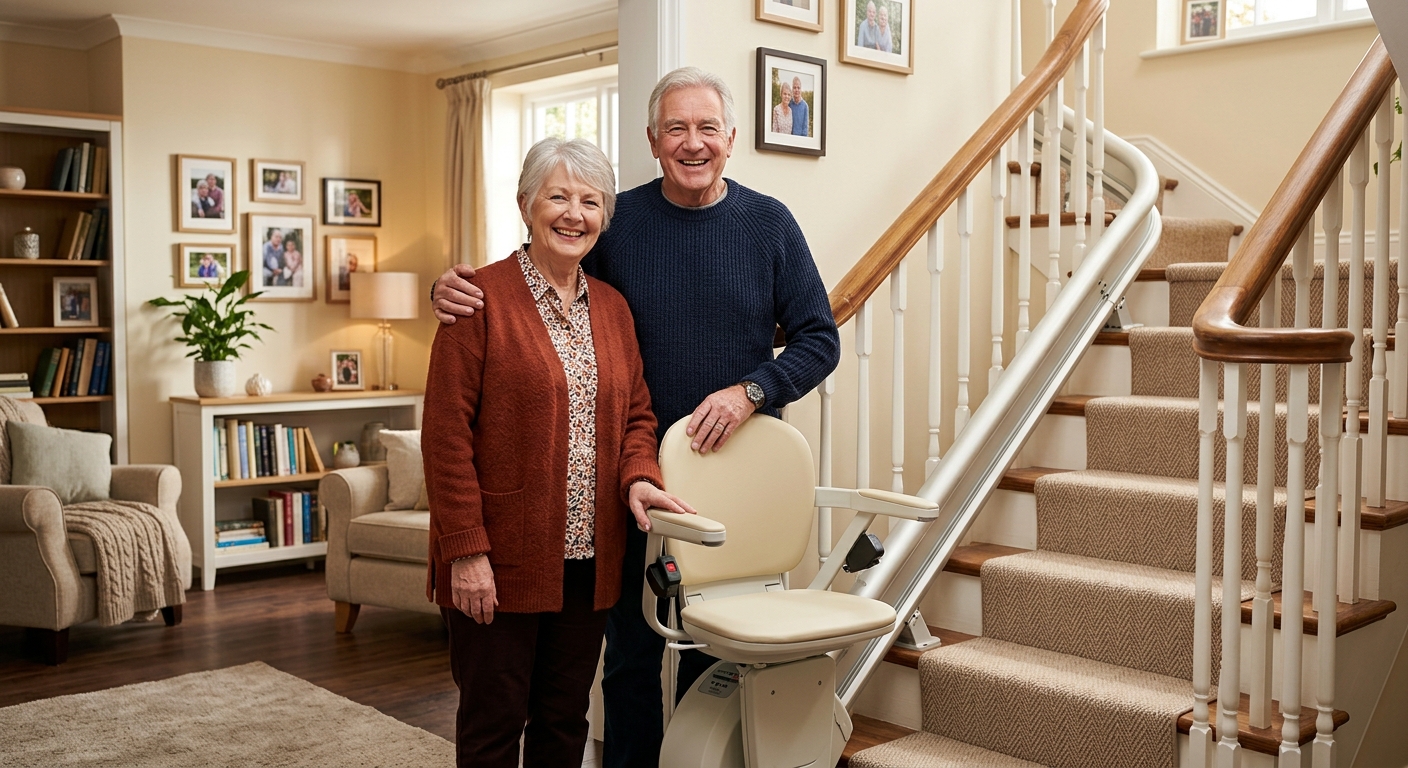
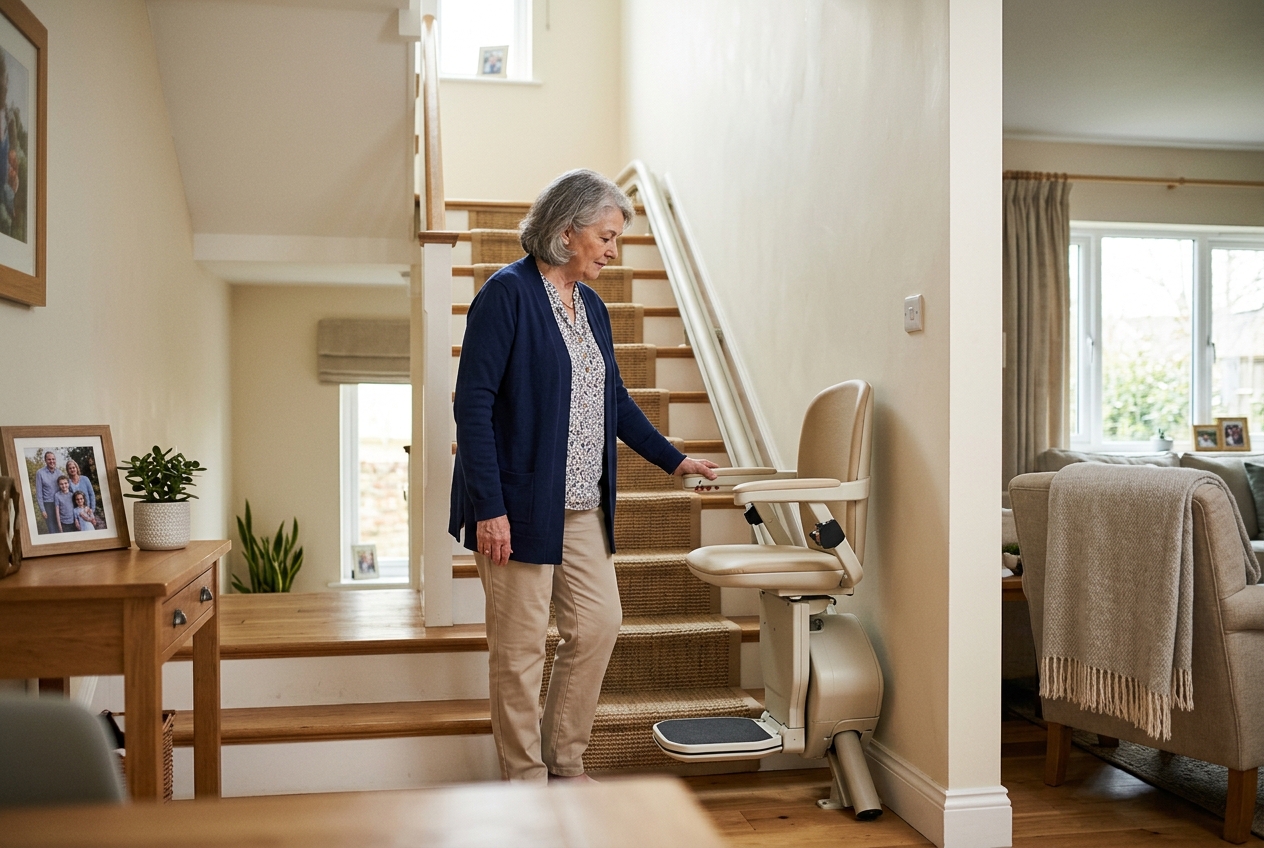
- Stairlifts are one of the most effective solutions for long-term mobility challenges in multi-level homes. A professionally installed stairlift provides safe and reliable access between floors while preserving independence and minimizing the need for relocation. Options are available for both straight and curved staircases, allowing customization to the home's layout.
- For individuals who use wheelchairs or who anticipate significant mobility changes, vertical platform lifts or residential elevators may be the most practical long-term solution. These systems provide full access between levels and reduce physical strain on both users and caregivers.
Make the Right Choice for Your Home and Future
Planning accessibility is about understanding your needs today while preparing thoughtfully for the future. Whether mobility challenges are temporary or long-term, the right accessibility solutions for your home can improve safety, preserve independence, and provide peace of mind. By considering various factors, you can make informed decisions that support both comfort and confidence over time.
Next Step
If you are unsure which accessibility option is right for your situation, our team is here to help. Contact us now to schedule a free evaluation and learn how customized mobility solutions can help you or your loved one move safely and comfortably at home.
Schedule A Free Evaluation