
Table of Contents
Last reviewed: November 2026
The short answer: Original Medicare does not pay for a stairlift, and few programs name stairlifts at all. In Utah and Idaho, the closest options are low-interest assistive technology loans (up to $50,000 in Utah and $60,000 in Idaho), county aging agencies, Medicaid waivers for people who qualify, and, for veterans, the VA HISA grant, which can pay for a permanent ramp but not a stair glide or porch lift. The table below shows what each program says it covers.
Paying for a stairlift, a ramp or a home lift is often the hardest part of the decision. The help that exists is spread across state loan programs, county agencies, Medicaid, the VA and the tax code, and those programs rarely point to each other. Western Stairlifts serves homeowners in Utah and Idaho with stairlifts, modular ramps, vertical platform lifts and home elevators.
This guide puts the main options for Utah and Idaho in one place, with the phone numbers and web addresses you need to start. We checked each program's own information in October and November 2026. Rules, amounts and waiting lists change, so treat every figure as a starting point and confirm it with the program before you plan around it.
Western Stairlifts is not a funding agency, and nothing here is legal, tax or financial advice.
Which Programs Can Pay for a Stairlift, a Ramp or a Platform Lift?
The table shows what each program says it covers and the most it pays. Each program is explained in the sections below.
| Program | What the program says it covers | Most it pays | Phone or contact |
|---|---|---|---|
| Utah assistive technology loans | Home modifications, lifts and elevators are listed. Ramps are not named, so ask. | Loan of $1,000 to $50,000 | 1-800-524-5152 |
| Idaho assistive technology loans | Building modifications for accessibility are listed. Ramps and lifts are not named, so ask. | Loan of up to $60,000 | 1-800-432-8324 |
| Idaho Area Agencies on Aging | The home maintenance and repair help can include grab bars and wheelchair ramps. Stairlifts are not named. | Not stated, so ask | 208-334-3833 (state office) |
| Salt Lake County Aging and Adult Services | Home modification help is not listed, so ask whether any is available now. | Not stated | 385-468-3200 |
| Medicaid waivers (Utah Aging Waiver, Idaho Aged and Disabled Waiver) | Environmental accessibility adaptations are listed. Ask what is covered today. | Varies by plan | Your case manager or Medicaid nurse reviewer |
| VA HISA grant | Permanent ramps, entrance and exit changes and roll-in showers. Not stair glides or porch lifts. | $6,800 or $2,000, lifetime | Your local VA Prosthetic and Sensory Aids Service |
| USDA Section 504 (eligible rural areas) | Home repairs. Grants must go toward removing health and safety hazards, so ask whether a ramp or stairlift qualifies. | Loan up to $40,000, grant up to $10,000 (age 62 and older) | Your local USDA Rural Development office |
Medicare and Stairlifts: What Is and Is Not Covered
Original Medicare does not pay for stairlifts. It generally does not pay for ramps or other home changes either, which is why most help comes from the programs below. Our post on whether Medicare pays for a stairlift explains why in more detail, and our stairlift cost guide covers typical prices.
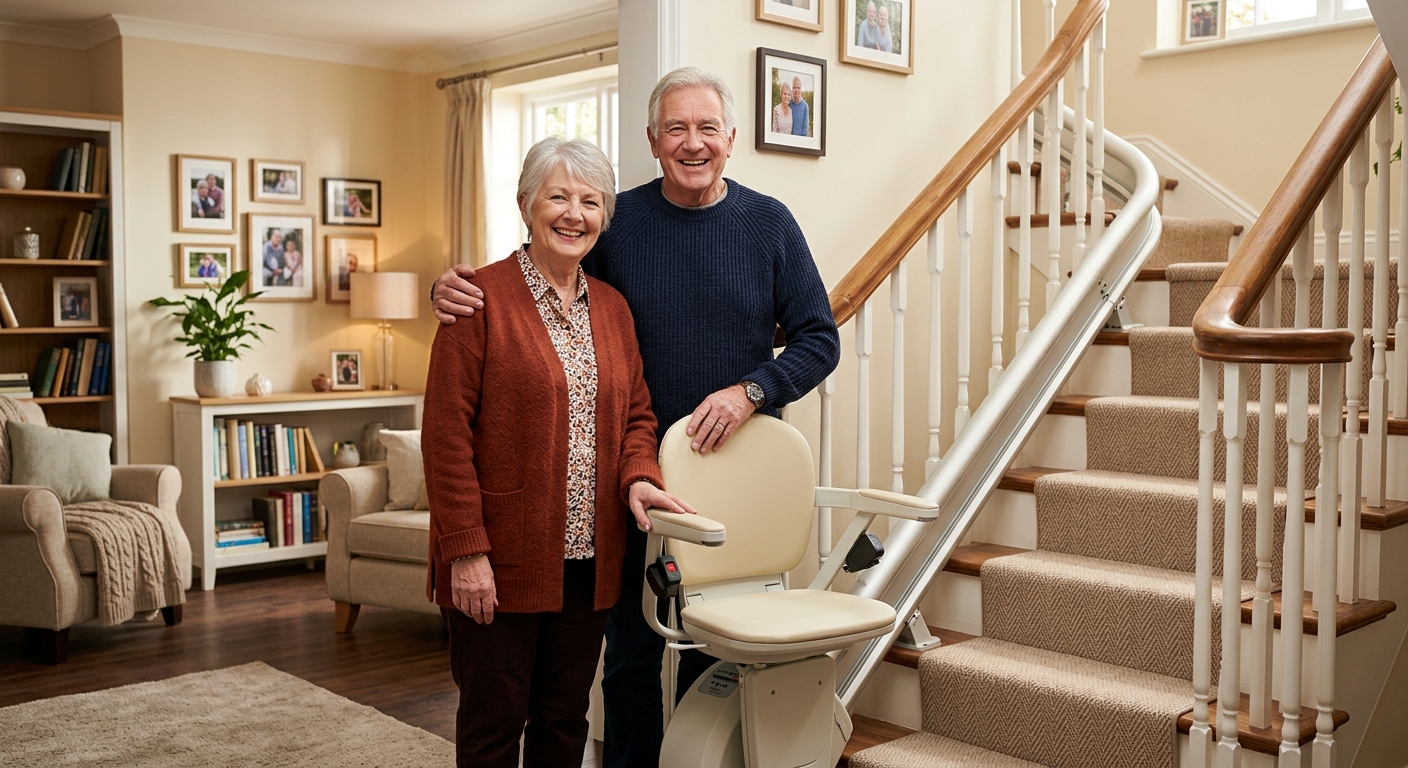
Low-Interest Loans for Lifts and Home Modifications
Both states run an assistive technology program that offers low-interest loans, and both list home modifications among what the loans can pay for. Neither lists an income cap, but both review whether you can repay the loan.
| What to know | Utah | Idaho |
|---|---|---|
| Program | Utah Assistive Technology Foundation loans, through the Utah Assistive Technology Program at Utah State University | Idaho Assistive Technology Project financing program, University of Idaho |
| Can pay for | Home modifications, lifts and elevators are listed. Ramps are not named, so ask. | Building modifications for accessibility are listed. Ramps and lifts are not named, so ask. |
| Loan size | $1,000 to $50,000 | Up to $60,000 |
| Who can apply | Proof of disability is not required. Approval is based on credit score, debt and income, and Zions Bank makes the final decision. | Idaho residents with a disability, or a family member or legal guardian of someone with one. Applicants must show they can repay. |
| Cost of borrowing | The foundation pays half of the interest, up to $2,500 over the life of the loan, according to the program. | Interest varies and is set before you apply. No origination fees. For example, Zions Bank offers repayment up to 3 years and Northwest Access Fund up to 10 years. |
| Contact | 1-800-524-5152 | 1-800-432-8324 or idahoat@uidaho.edu |
Program pages: Utah Assistive Technology Foundation loans and Idaho Assistive Technology Project financing.
Help From Your County or Area Agency on Aging
Area Agencies on Aging are the local offices that deliver programs funded under the Older Americans Act. They are usually the right first call for a homeowner age 60 or older, and they can point you to whatever home repair or accessibility help exists in your county.
- Idaho: the Idaho Commission on Aging says its home maintenance and repair help can include installing grab bars and wheelchair ramps. Southwest Idaho covers Ada, Adams, Boise, Canyon, Elmore, Gem, Owyhee, Payette, Valley and Washington counties. Central Idaho covers Blaine, Camas, Cassia, Gooding, Jerome, Lincoln, Minidoka and Twin Falls counties. Use the Commission's page to find your regional office, or call the state office at 208-334-3833.
- Utah: Salt Lake County Aging and Adult Services is the county's aging office. Its page does not list home modification help, so call 385-468-3200 and ask whether any is available now and what the eligibility rules are. Outside Salt Lake County, find your local office through the Eldercare Locator at 1-800-677-1116.
Program pages: Idaho home maintenance and repair assistance, Salt Lake County Aging and Adult Services and the Eldercare Locator.
Medicaid Waivers: Can They Pay for a Stairlift?
Medicaid home and community based waivers can pay for home changes for people who qualify, but they come with income rules, a care needs assessment and sometimes a waiting list.
- Utah Aging Waiver: for adults 65 and older who need a nursing facility level of care and meet Medicaid financial rules. The state lists environmental accessibility adaptations among its services. The number of people served is limited, so ask about the waiting list.
- Idaho Aged and Disabled Waiver: covers environmental accessibility adaptations. State rules have described minor changes that let a participant function with greater independence at home, with ramps and lifts given as examples, so ask your Medicaid nurse reviewer what is covered today. Work generally has to follow local building codes and applies to the participant's main residence.
Medicaid funded work is usually limited to approved providers, so check with your case manager before you choose an installer or sign anything. Program pages: Utah Medicaid and Idaho Medicaid for elderly adults and adults with disabilities.
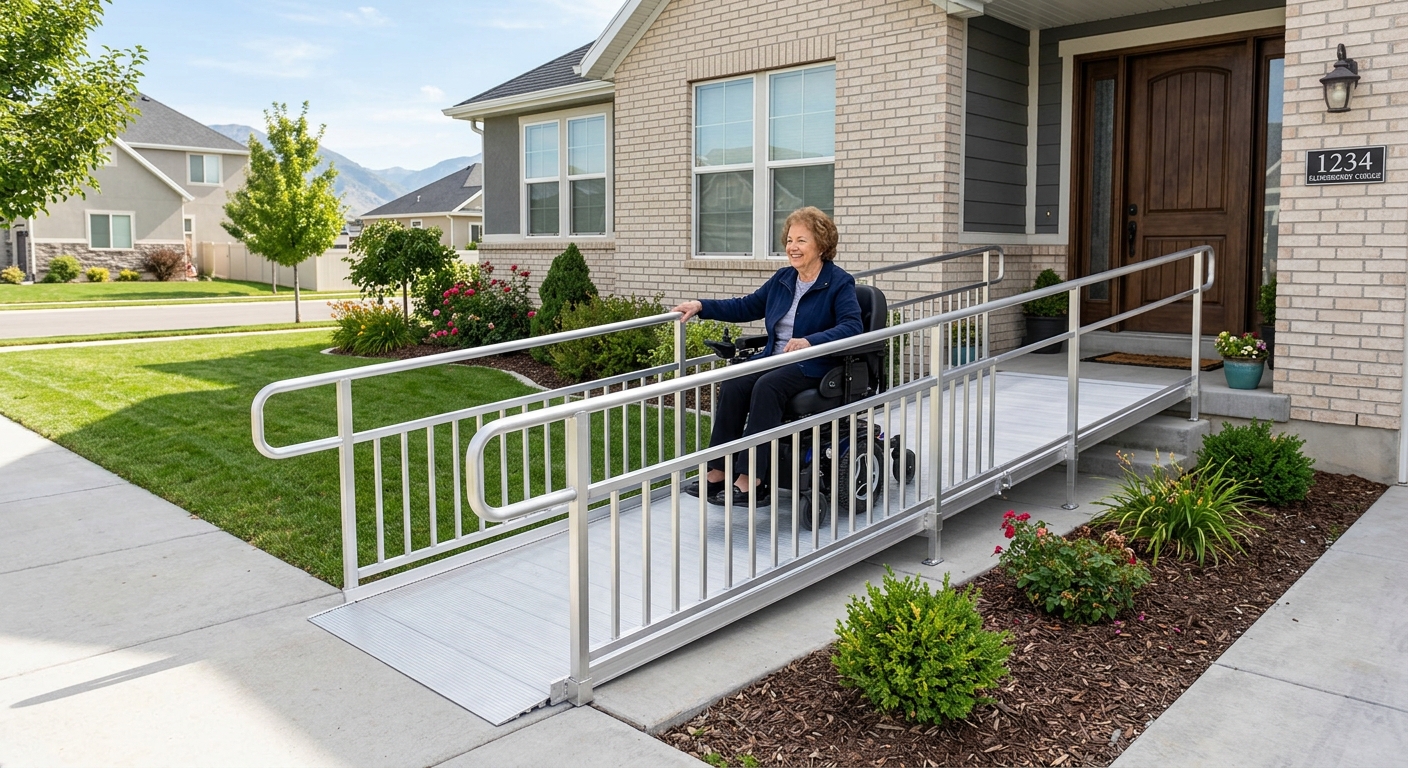
VA HISA Grant: Does It Pay for a Stairlift?
The VA's Home Improvements and Structural Alterations (HISA) grant helps with changes needed because of a medical condition. It is for the veteran's primary residence, and a VA physician has to write or approve a prescription that explains the medical need.
- Lifetime amounts: $6,800 for a service-connected condition, and also $6,800 for another condition if the veteran has a service-connected rating of at least 50 percent. $2,000 in other cases.
- It covers permanent ramps, entrance and exit changes and roll-in showers, among other things.
- It does not cover portable ramps, porch lifts or stair glides, so it can help with a permanent ramp but not with a stairlift.
- To apply, get a prescription from a VA physician, complete VA Form 10-0103 and submit it with an itemized estimate and a photo of the area to your local VA Prosthetic and Sensory Aids Service.
- Larger grants: the Specially Adapted Housing (SAH) and Special Housing Adaptation (SHA) grants are separate VA grants for veterans with certain service-connected disabilities. Ask the VA about them if the work would cost more than HISA can cover.
Program pages: the VA's HISA page, VA Form 10-0103 and the VA's disability housing grants. We cover more on the veterans side in our post on home accessibility for disabled veterans.
Not sure which of these programs fits your home? Schedule a free evaluation and we will talk through the options.
Schedule A Free EvaluationRural Homeowners: The USDA Home Repair Program
In eligible rural areas, USDA Rural Development's Section 504 program offers repair loans of up to $40,000 at 1 percent interest over 20 years, and grants of up to $10,000 for homeowners age 62 and older with very low incomes. Grants must go toward removing health and safety hazards, and a grant must be repaid if the home is sold within three years. Eligibility depends on your county's income limits, so call your local USDA Rural Development office to ask. Program page: USDA Single Family Housing Repair Loans and Grants.
Taxes: Can You Deduct a Stairlift?
The IRS lets you count some home changes as medical expenses. Its Publication 502 lists building entrance or exit ramps, and installing porch lifts and other lifts, among the changes that can qualify, and it lists modifying stairways. You can deduct only the part of your total medical costs that is more than 7.5 percent of your adjusted gross income, and the amount is reduced by any increase in your home's value. Elevators generally add value, so less of their cost may count.
Whether a stairlift or a platform lift qualifies depends on your situation. Ask a tax professional before you rely on it.
Nonprofits and Local Help
- LINC (Living Independence Network Corporation) is an independent living center in Idaho. Its Wheel Fix It mobility equipment store rents temporary ramps and manual wheelchairs. Call or text 208-336-3335.
- ASSIST, a Salt Lake City community design center, lists an emergency home repair program for low-income homeowners. Call 801-355-7085.
- Independent living centers in each state are federally funded nonprofits that help people with disabilities live independently, and some offer equipment loans.
Find help: LINC mobility equipment, ASSIST programs and the national directory of independent living centers for Idaho and Utah.
A Short Checklist Before You Apply
- 1Call the program before you buy. Many programs approve the purchase first and will not reimburse work that was already done.
- 2Ask what the program will and will not pay for by name, such as a ramp, a stairlift or a platform lift. Do not assume.
- 3Get a written estimate. Many applications need one, and some ask for it itemized, so ask whether yours can be broken out by labor, materials and permits. We send our estimates as a PDF by email or text message, so ask for yours when you schedule your free evaluation.
- 4Ask whether the program only works with approved providers, and whether you must use them.
- 5Programs can often be combined, so ask each one whether other funding affects what it will pay.
- 6Keep every approval letter, estimate and receipt.
Other Ways to Pay for a Stairlift
If these programs do not fit, Western Stairlifts offers a payment plan on ramps and straight stairlifts, with payments spread over two years. Our stairlift cost guide walks through payment plans, home equity options and other ways to spread the cost. A reconditioned stairlift can also bring the price down for a straight staircase.
Ready to see what your home needs? Schedule a free evaluation and we will talk through the options.
Schedule A Free EvaluationCommon Questions
Frequently Asked Questions
Does Medicare pay for a stairlift?
No. Original Medicare does not cover stairlifts. The programs in this guide are where most help comes from.
Will the VA pay for a stairlift?
The VA's HISA grant excludes stair glides and porch lifts, but it can help with a permanent ramp. Other VA benefits may apply in some cases, so ask your local VA Prosthetic and Sensory Aids Service.
Who can get the VA HISA grant?
HISA is for veterans and service members who need medically necessary changes to their primary residence. A VA physician has to write or approve a prescription that explains the medical need, and the amount depends on whether the condition is service-connected. Your local VA Prosthetic and Sensory Aids Service confirms eligibility.
Does a 100 percent disability rating raise the HISA limit?
The VA's HISA page sets the lifetime limit by whether the condition is service-connected, or whether the veteran has a service-connected rating of at least 50 percent, and it does not list a higher amount for other ratings. Veterans with certain service-connected disabilities may qualify for the larger SAH and SHA grants instead, so ask the VA about them.
Can I use more than one program?
Often, yes, but each program has its own rules about other funding. Ask each one before you apply.
Do these programs pay the installer directly?
It depends. Some approve a purchase and pay the vendor, some reimburse you and some lend you the money. Ask each program how payment works before you sign a contract.
Are the amounts in this guide current?
They are what each program reported in October and November 2026. Amounts, rules and waiting lists change, so confirm with the program.
Is a stairlift tax deductible?
Some home changes can count as medical expenses, but the rules are specific. Ask a tax professional.
Related Reading
Does Medicare Pay for a Stairlift?
How Much Does a Stairlift Cost in 2026?
The Complete Guide to Different Types of Stairlifts
How Much Does a Home Elevator Cost? A Complete Guide for Homeowners in Utah
The Ultimate Guide to Wheelchair Ramps for Stairs
Home Remodeling for Better Accessibility for Disabled Veterans