
Table of Contents
A home elevator can make everyday life easier, safer, and more comfortable. For many homeowners, it is not just a mobility product. It is a long-term investment in independence, convenience, and the ability to enjoy every level of the home without worrying about stairs.
Whether you are planning ahead for aging in place, helping a loved one move safely between floors, or upgrading your home for greater comfort, understanding home elevator cost is one of the first steps in making an informed decision. If you are already comparing options, you can also learn more about our home elevators in Utah.
How Much Does a Home Elevator Cost?
Home elevator cost can vary widely, but many residential elevator projects fall somewhere between $30,000 and $40,000+ depending on the elevator type, home layout, installation requirements, and level of customization.
A simpler two-stop elevator in a home that is already well-suited for installation may be on the lower end of the range. A more complex project with additional stops, structural modifications, premium finishes, or custom design features can cost significantly more.
The best way to get accurate pricing is through an in-home evaluation. A trained accessibility expert can look at your space, understand your goals, and recommend the best option for your home.
What Affects Home Elevator Cost?
The final cost of a home elevator depends on both the equipment and the work required to install it safely. A complete residential elevator installation may include the elevator unit, delivery, site preparation, electrical work, permits, labor, inspections, and finishing work.
The biggest cost drivers usually include your home's layout, the number of stops, travel height, elevator type, cabin size, custom features, and whether the elevator is being installed in a new build or retrofitted into an existing home. Homes with a clear path between floors may be simpler to work with, while homes that require structural changes, additional electrical work, or more finish work may have higher installation costs.
Local code requirements can also affect the project. Depending on your city, state, and the type of elevator being installed, permits and inspections may be required. These steps help confirm that the system has been installed safely and correctly.
Types of Home Elevators
There are several types of residential elevators, including shaftless elevators, traditional elevators, pneumatic or vacuum elevators, hydraulic elevators, and traction elevators. Each option has different space requirements, installation needs, and price considerations.
For many homeowners, a compact residential elevator can be a practical choice because it offers safe, convenient access between floors without requiring the same level of construction as some traditional elevator systems.
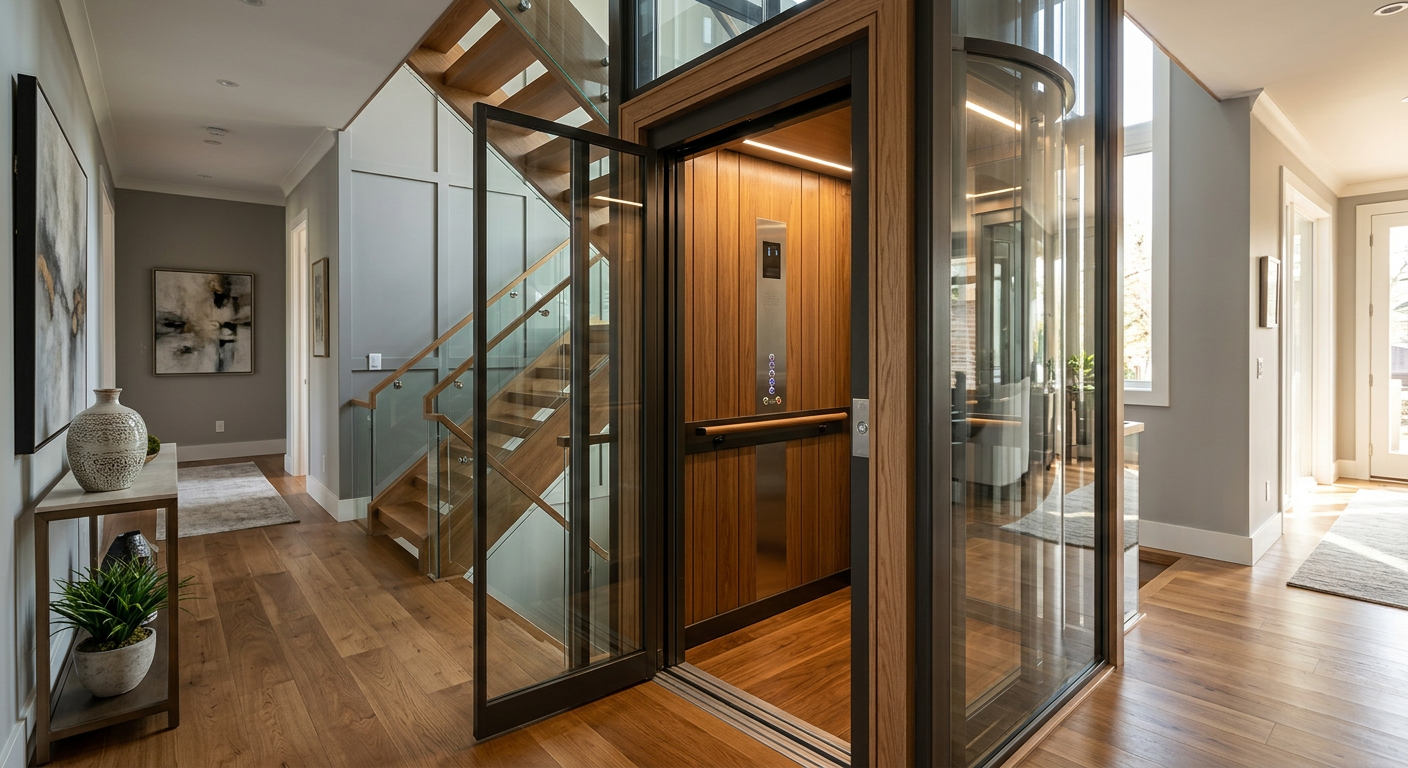
Western Stairlifts offers the Pollock Residential Elevator, a compact and customizable home elevator option designed to make multi-level living easier. It includes multiple cabin sizes, adjustable heights, optional color-changing LED lighting, a clear LCD display, smart control placement, and a quiet electric drive system.
Is a Home Elevator Worth the Investment?
For many homeowners, a home elevator is worth the investment because it solves both current and future accessibility needs.
A residential elevator may help you:
- Stay in the home you love longer
- Move safely between floors without using the stairs
- Reduce the risk of falls
- Make daily routines easier
- Support a spouse, parent, or loved one with limited mobility
- Improve convenience when carrying laundry, groceries, luggage, or household items
- Add a high-end accessibility feature to the home
- Prepare your home for aging in place
For proactive homeowners, the value is not only in solving a mobility challenge today. It is also in planning ahead so the home remains comfortable and usable for years to come. You can also explore more ways to improve safety and independence with our total home accessibility guide.
Home Elevator vs. Stairlift vs. Vertical Platform Lift
A home elevator is one of several options for improving multi-level access. The right choice depends on your mobility needs, home layout, budget, and long-term plans.
Home Elevator
A home elevator is often best for homeowners who want a long-term, whole-home accessibility solution. It can be ideal for people who use walkers, have difficulty with stairs, want to prepare for future mobility needs, or prefer a discreet and comfortable way to move between floors.
Stairlift
A stairlift is a motorized chair that travels along a rail mounted to the staircase. It is usually more affordable than a home elevator and can often be installed quickly. Stairlifts are a great option for people who can sit down, stand up, and transfer safely.
For homeowners who can safely sit, stand, and transfer, a straight stairlift installation may be a more affordable solution. Homes with turns, landings, or spiral staircases may benefit from a custom curved stairlift instead of a home elevator.
Vertical Platform Lift
A vertical platform lift, often called a VPL, is designed to move a person in a wheelchair or mobility device vertically between levels. It is commonly used for porches, garages, short rises, and areas where a ramp would take up too much space.
If a full elevator is not the right fit, a vertical platform lift for home accessibility may be a better option for porches, garages, and short rises.
What to Expect During Residential Elevator Installation
Residential elevator installation begins with an in-home evaluation. A specialist reviews your home layout, available space, travel distance, electrical access, and mobility goals. From there, your provider can recommend the best elevator option, explain any site preparation that may be needed, provide an estimate, complete the installation, test the system, and walk you through how to use it safely.
Why Work With Western Stairlifts?
At Western Stairlifts, we understand that a home elevator is a major decision. It affects your home, your safety, your comfort, and your long-term independence.
Our team helps homeowners find mobility solutions that fit their space, budget, and lifestyle. We take the time to evaluate your home, explain your options, and recommend products designed for safe, reliable everyday use.
We offer the Pollock Residential Elevator, a compact and customizable home elevator option designed to make multi-level living easier. With multiple cabin sizes, adjustable heights, optional color-changing LED lighting, a clear LCD display, smart control placement, and a quiet electric drive system, it provides a comfortable and low-maintenance way to move between floors.
Whether you are planning ahead or need a solution soon, our team is here to guide you through the process from evaluation to installation.
Schedule a free evaluation today to learn what a home elevator could look like in your home.
Common Questions
Frequently Asked Questions
How much does a home elevator cost?
Many residential elevator projects fall somewhere between $30,000 and $40,000+, depending on the elevator type, home layout, number of stops, installation requirements, and custom features. The best way to get accurate pricing is through an in-home evaluation.
What affects the cost of residential elevator installation?
The biggest factors include the type of elevator, number of floors served, cabin size, travel height, structural modifications, electrical work, permits, finish options, and whether the elevator is being installed in a new or existing home.
Can a home elevator be installed in an existing home?
Yes. Many residential elevators can be installed in existing homes. The right solution depends on your floor plan, available space, structure, and accessibility goals.
Is a home elevator better than a stairlift?
It depends on your needs. A stairlift is usually more affordable and works well for people who can safely transfer in and out of a chair. A home elevator may be a better long-term solution for homeowners who use mobility aids, want easier access for multiple users, or prefer a more permanent accessibility upgrade.
How long does residential elevator installation take?
Most residential elevator installations at Western Stairlifts are completed within 4 to 6 weeks from start to finish. That is a meaningful difference compared to wait times of 18 to 24 months reported by other elevator providers in Utah.
Do home elevators require maintenance?
Yes. Like other mechanical systems, home elevators should be maintained regularly to support safe, smooth, and reliable operation. Your provider can explain the recommended service schedule for your specific model.
Are home elevators safe?
Residential elevators are designed with safety features such as controlled operation, door systems, emergency controls, obstruction detection, and other protective components. Professional installation and regular maintenance are essential for safe use.
Do home elevators add value to a home?
A home elevator may improve convenience, accessibility, and long-term usability. For buyers looking for aging-in-place features or multi-level access, it can be an attractive upgrade.
What is the first step in getting a home elevator?
The first step is scheduling an in-home evaluation. This allows a professional to review your space, discuss your needs, and provide a personalized recommendation.